Trusted by Stripe, PayPal and 460+ more









What are website trust signals?
Proof at the right moment
Trust signals are the parts of a page that tell buyers you are a safe choice, like client logos, testimonials, case study results, review scores and security certifications. B2B buyers look for them before they share their details. We check which proof you have, where it sits today and where buyers hesitate, then place it next to your forms and CTAs.
Featured projects
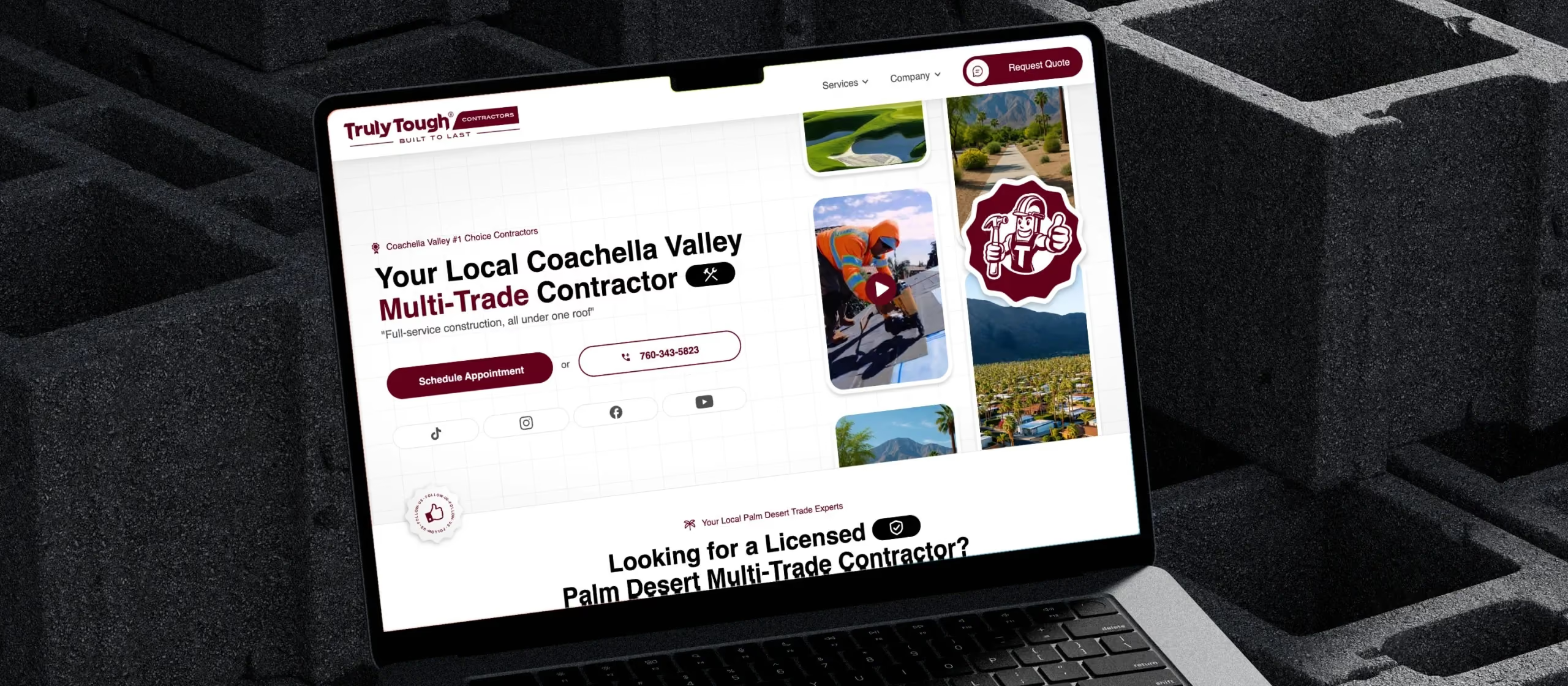

Development
/
Webflow integration
/
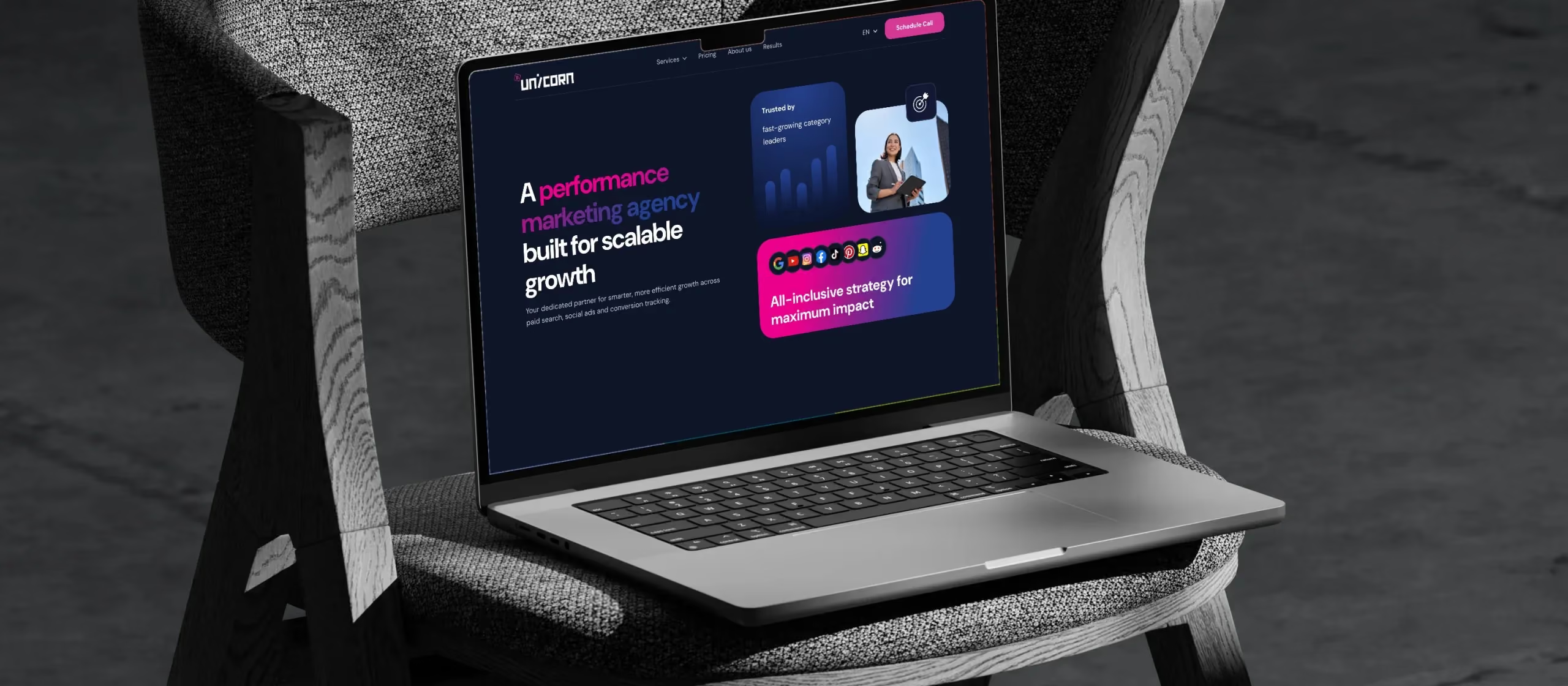

Design
/
Development
/
Localization
/
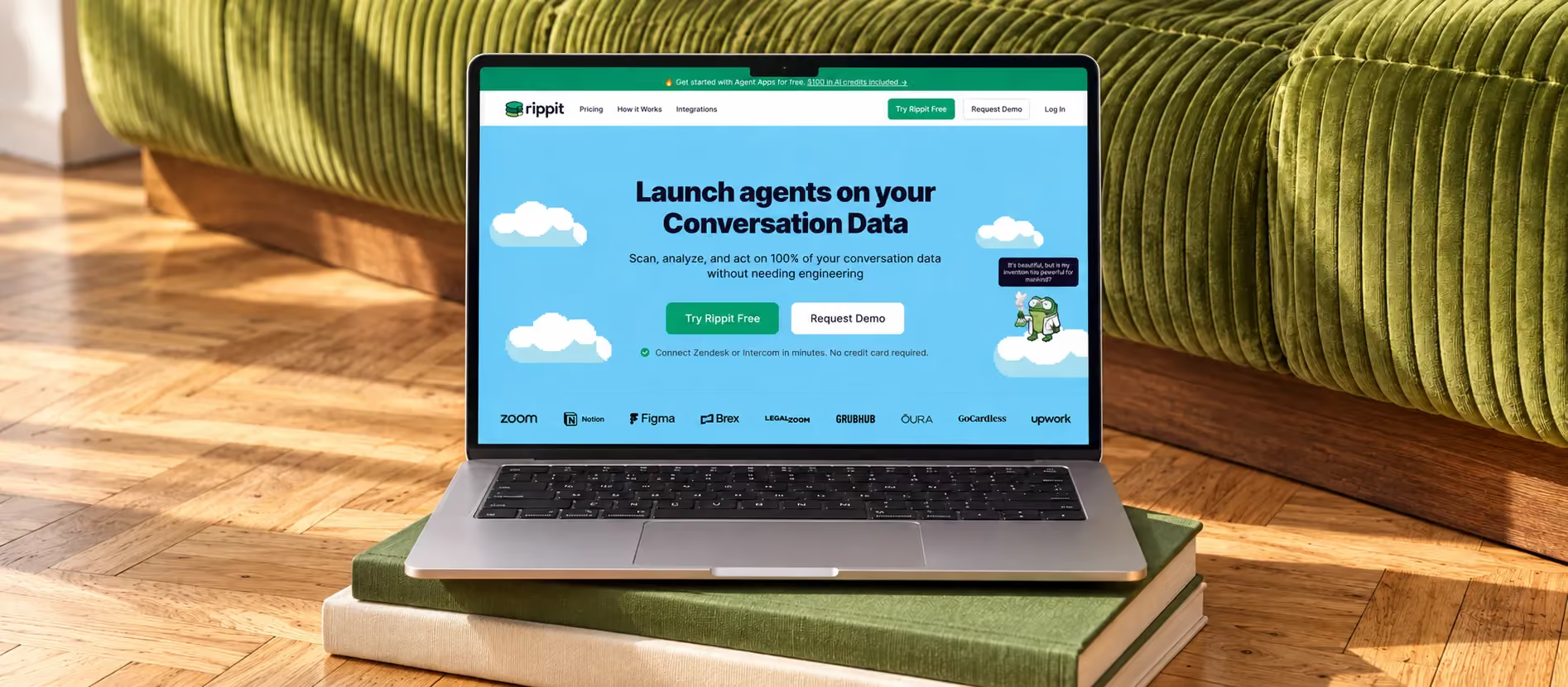

Development
/
SEO Optimization
/
Lottie animations
/
Ongoing maintenance
/



CRO
/
A/B testing
/

Design
/
Development
/
Lottie animations
/

FAQ
Questions about our CRO services
Which trust signals matter most for B2B buyers?

Logos of known clients, case studies with real results, named testimonials, review scores from sites like G2 or Clutch, and security and compliance badges. Which ones matter most depends on your buyers and deal size.
Where should trust signals go on a page?
Place them where buyers hesitate: near the hero, next to pricing and right beside forms and CTAs. Proof placed far from the action a visitor is about to take does much less work.
Do security badges help conversions?
For enterprise buyers, they often do. Badges like SOC 2 or ISO 27001 near forms and on pricing pages answer security questions before procurement asks them. We only show badges you actually hold.


Join Stripe, Kajabi and 460+ more