

At Flowout, we don’t just build Webflow websites—we build for the Webflow ecosystem. Having developed three official apps in the Webflow Marketplace, our team has deep technical experience extending Webflow’s capabilities.Whether you are syncing enterprise lead pipelines, configuring multi-region content, or managing complex automated data flows, choosing the right integration architecture directly impacts site speed, SEO, and maintainability.
What Are Webflow Integrations?
An integration connects a Webflow website to third-party applications to enable automatic, bi-directional data exchange.Integrations turn a Webflow frontend into a central operational hub for marketing, sales, customer support, and analytics.
Integrations add advanced functionality, such as live chat, dynamic lead scoring, transactional emails, and multi-currency payment processing, without replacing your existing software stack.
Webflow Integration Methods Compared
Selecting the right integration method depends on your technical resources, budget, and performance requirements.
Top Webflow Integrations by Use-Case Category
1. CRM & Lead Capture
HubSpot
- Method: Native Webflow App / Form Embed
- Key use case: Bidirectional sync between Webflow forms and HubSpot CRM contacts.
- Why use it: Collect customer info seamlessly to nurture leads through marketing automation pipelines. You can embed HubSpot form codes directly or use the native integration to align incoming form field data with your custom CRM properties.
Salesforce
- Method: Native Webflow App / Middleware (Make/Zapier)
- Key use case: Enterprise lead routing and pipeline automation.
- Why use it: High-growth enterprise teams using Webflow for front-facing marketing sites can automatically map site interactions, form fills, and conversion events directly into Salesforce objects.
2. Live Chat & Customer Experience
Intercom
- Method: Embedded Snippet / Native App
- Key use case: Real-time conversational support and product tour prompts.
- Why use it: Intercom introduces interactive messenger modules directly onto your Webflow pages. Custom styling allows you to align the chat widget with your brand, set specific target triggers for high-intent visitors, and pass lead data across 60+ connected platforms.
3. Marketing & Email Automation
Mailchimp
- Method: Native Webflow App / Zapier
- Key use case: Subscriber list management and triggered email sequences.
- Why use it: Automatically pipe form submissions into segmented Mailchimp audience lists. It simplifies subscriber growth, automated drip campaigns, and transactional email triggers.

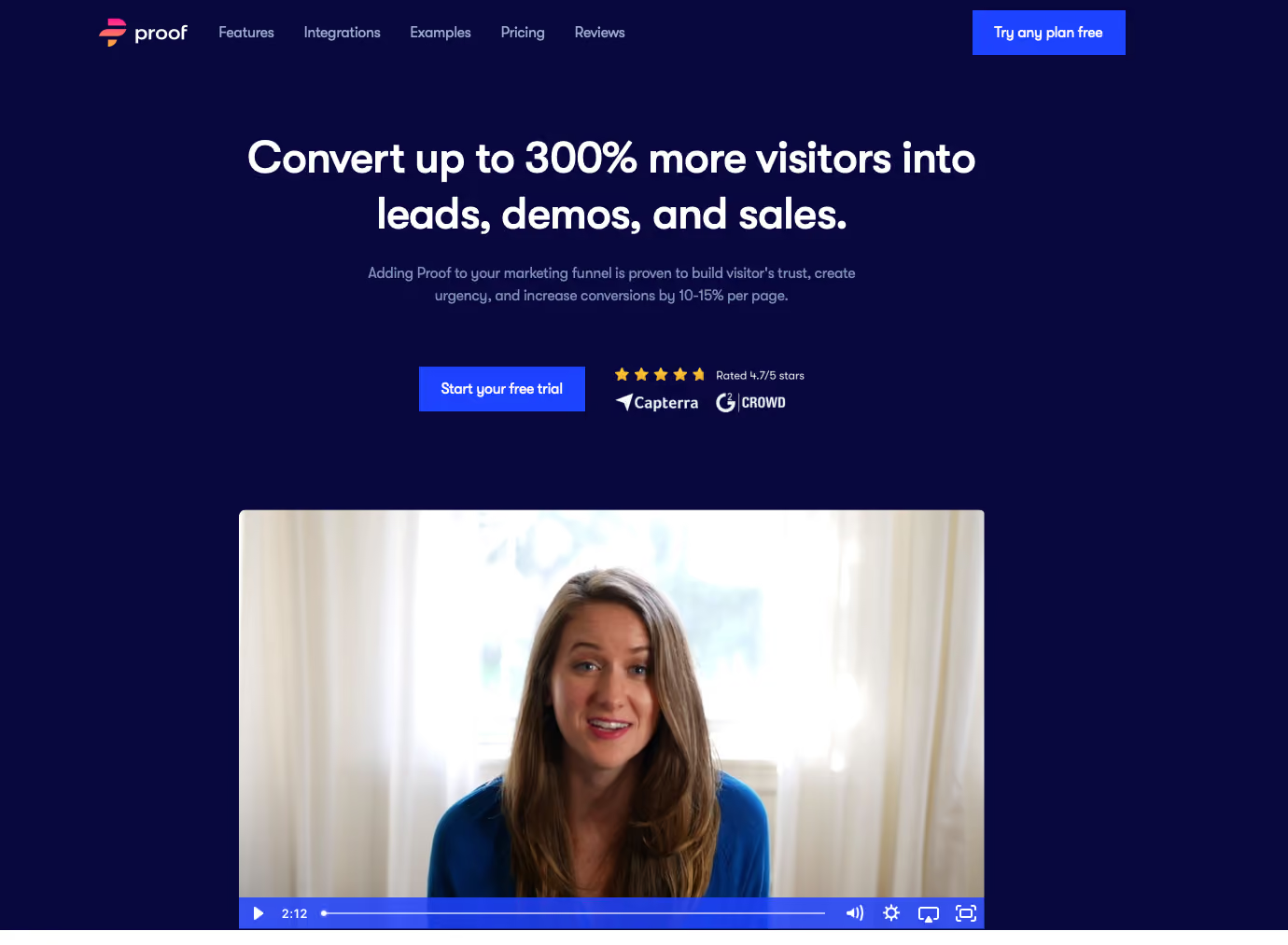
Proof
- Method: Script Embed
- Key use case: Social proof notifications to boost conversion rates.
- Why use it: Displays real-time social proof activity (such as recent sign-ups or current visitor counts) to humanize your website and build buyer confidence.
4. E-Commerce & Payments
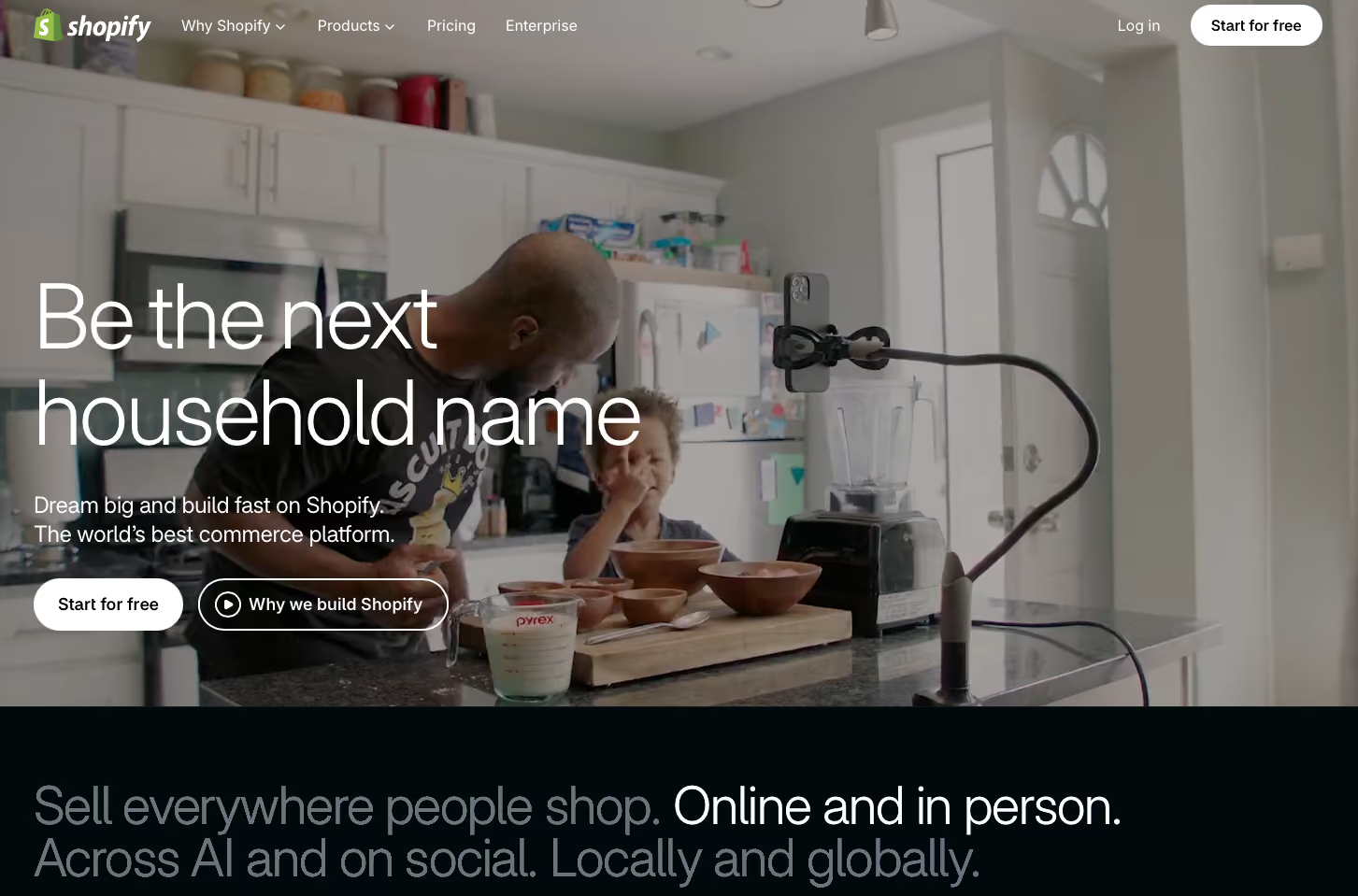
Shopify
- Method: Shopify Buy Button / Webflow E-commerce App
- Key use case: Adding robust e-commerce capabilities to visual Webflow designs.
- Why use it: Enables fully customized storefront UI in Webflow while relying on Shopify's battle-tested backend for checkout, inventory, and order fulfillment.
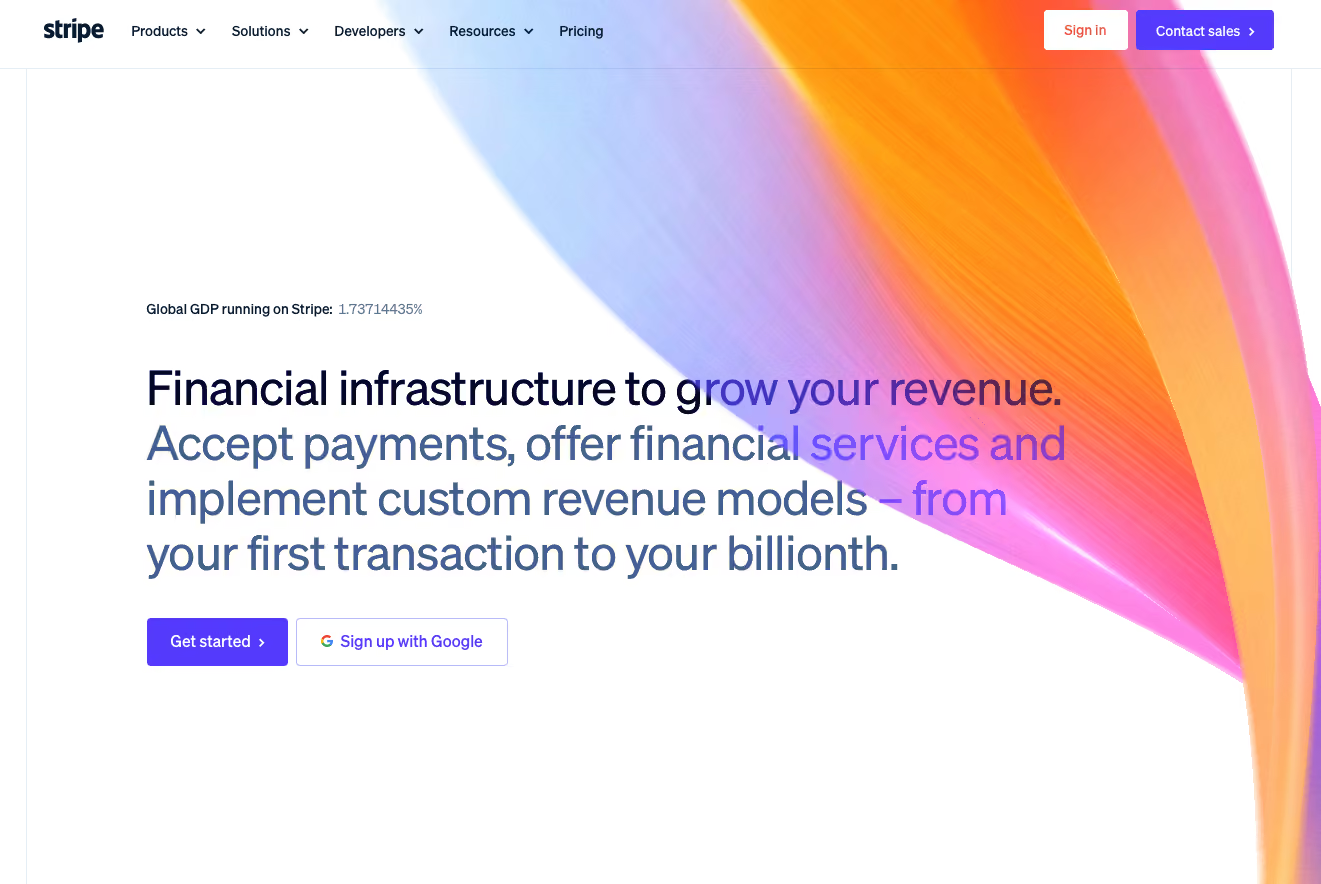
Stripe
- Method: Native Webflow E-Commerce / Custom API
- Key use case: Global online payment processing.
- Why use it: Accepts credit card payments, handles subscriptions, manages invoicing, and mitigates transaction fraud across web and mobile platforms.
5. Membership & Dynamic Content
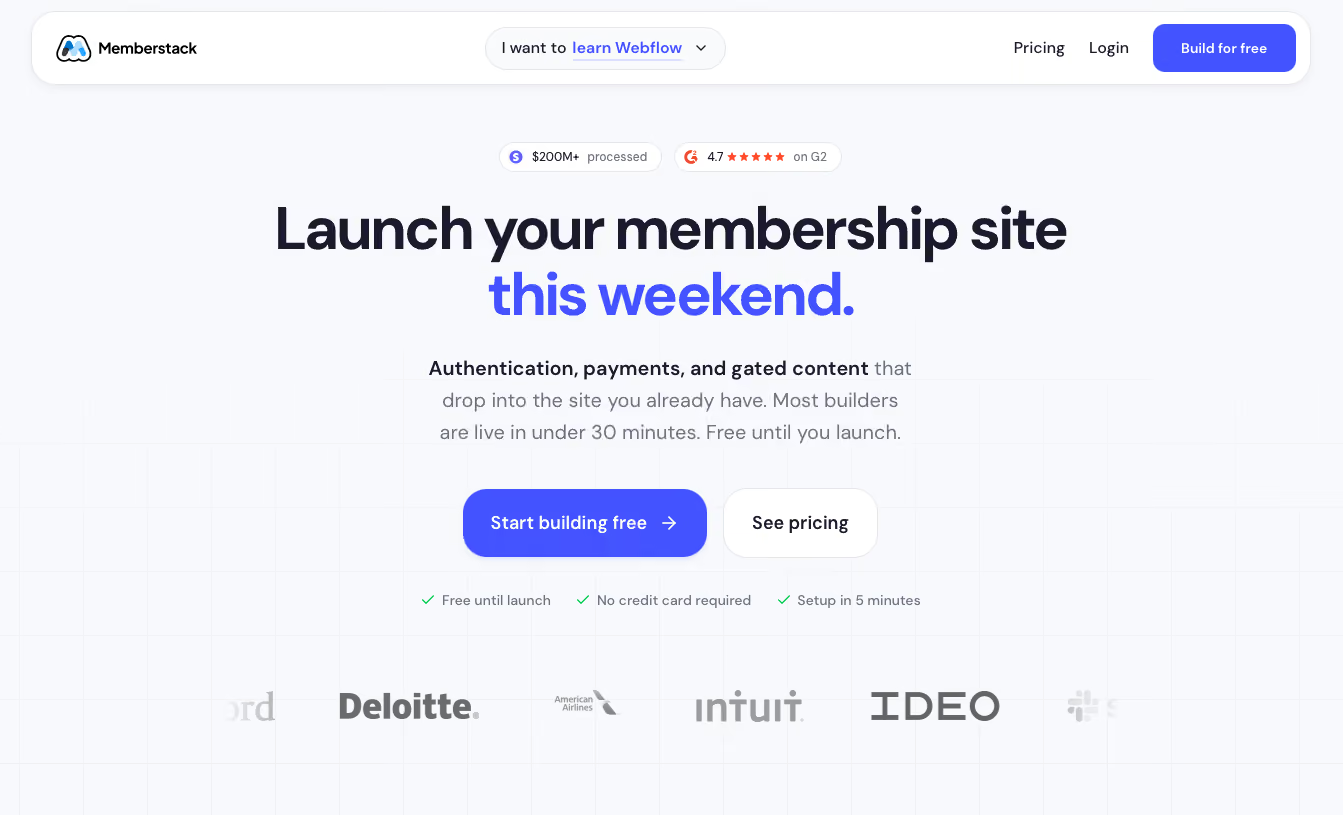
Memberstack
- Method: Native Script / Webflow App
- Key use case: User authentication, gated content, and portal creation.
- Why use it: Add gated online communities, client portals, and recurring subscription tiers without custom backend infrastructure.
Jetboost
- Method: Low-Code Integration
- Key use case: Dynamic CMS search, real-time filtering, and item favoriting.
- Why use it: Implements live, on-page filtering across Webflow CMS collections without writing complex custom JavaScript.
6. Analytics & User Insights
Google Analytics 4 (GA4)
- Method: Native Site Settings / Google Tag Manager
- Key use case: Quantitative traffic analysis and attribution modeling.
- Why use it: Measures overall traffic volume, user acquisition channels, audience demographics, and conversion behavior.

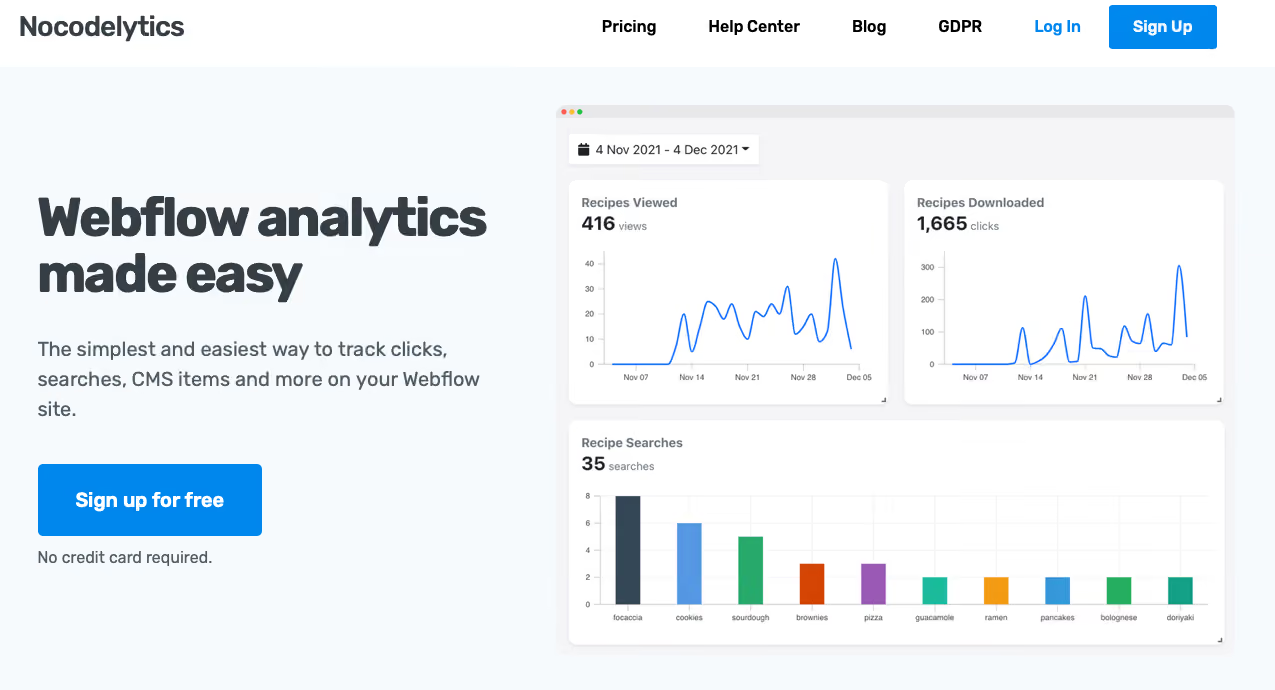
NoCodelytics
- Method: Native Webflow App
- Key use case: No-code focused analytics tailored to Webflow CMS and memberships.
- Why use it: Designed specifically for Webflow ecosystem components, giving clear visibility into button clicks, internal site search terms, and CMS item interactions.
Hotjar
- Method: Script Embed
- Key use case: Heatmaps, session recordings, and user feedback.
- Why use it: Provides visual analysis of how users navigate pages, scroll, and click, helping identify layout friction points.
7. Workflow Automation & Infrastructure
Zapier & Make
- Method: API / Webhooks
- Key use case: Multi-app workflow orchestration.
- Why use it: Connects Webflow to 5,000+ external tools. Use it to send form data to databases (Google Sheets/Airtable), post instant alerts to Slack, or trigger custom backend API endpoints upon form completion.
Cloudflare
- Method: DNS Configuration
- Key use case: Advanced DNS routing, custom SSL, and security layers.
- Why use it: Provides performance caching, DDoS mitigation, and flexible security settings on custom domains routed to Webflow.
Weglot
- Method: Native Webflow App / Script Embed
- Key use case: Automated multi-language translation and international SEO.
- Why use it: Automatically translates your Webflow site into 100+ languages while creating search-engine-optimized subdirectories or subdomains for international search visibility.
Frequently Asked Questions
Does Webflow integrate with Salesforce?
Yes, Webflow integrates with Salesforce through official Webflow Apps on the Marketplace, third-party automation tools like Zapier or Make, and direct API custom webhook setups.
What CRM works best with Webflow?
HubSpot and Salesforce are the most common enterprise CRMs for Webflow. Both offer direct app connections that allow form submissions and lead activities on your Webflow site to sync directly into your CRM contacts.
How do I connect HubSpot to Webflow?
You can connect HubSpot to Webflow either by using the official HubSpot App from the Webflow Apps Marketplace, pasting a HubSpot embedded form script onto your Webflow page, or routing Webflow form webhooks to HubSpot via Zapier/Make.